
Move the frontend. Keep the backend.
A desktop tool that ports a Base44 frontend onto your own domain, CDN or deployment pipeline — still wired to the same Base44 backend, with the same entities, auth, functions and data. No fork. No empty database.
The problem
Base44 gives you a real backend — entities, auth, functions, connectors, realtime — but the frontend has to live on Base44's hosting. The obvious route, base44 eject, gets you your code and loses your data.
eject forks instead of exporting
The CLI wraps the download endpoint with a hidden "create a new project" step. You end up with your code bound to a brand-new, empty backend — your work split across two projects.
Two URL options, one default
Exports hardcode serverUrl: '' and leave appBaseUrl unset. Fix only serverUrl and data loads while sign-in 404s — an app that looks healthy until someone clicks Sign in.
The docs say it's impossible
The GitHub-integration page claims apps can't be hosted outside Base44 while using it as a backend. Measurement says otherwise — CORS, OAuth and the SDK all handle foreign origins.
How it works
Download, create nothing
Base44 serves an app's source at GET /api/apps/{id}/eject. Called directly it's a plain read — verified by counting apps before and after: 224 → 224. The archive is completely unbound, so there's nothing to un-wire.

Analyze before writing
The pipeline is download → analyze → connect → rewrite → emit, pausing before it writes anything. Every planned edit is shown as a diff with a stated reason, and apply is blocked while a blocker is open.
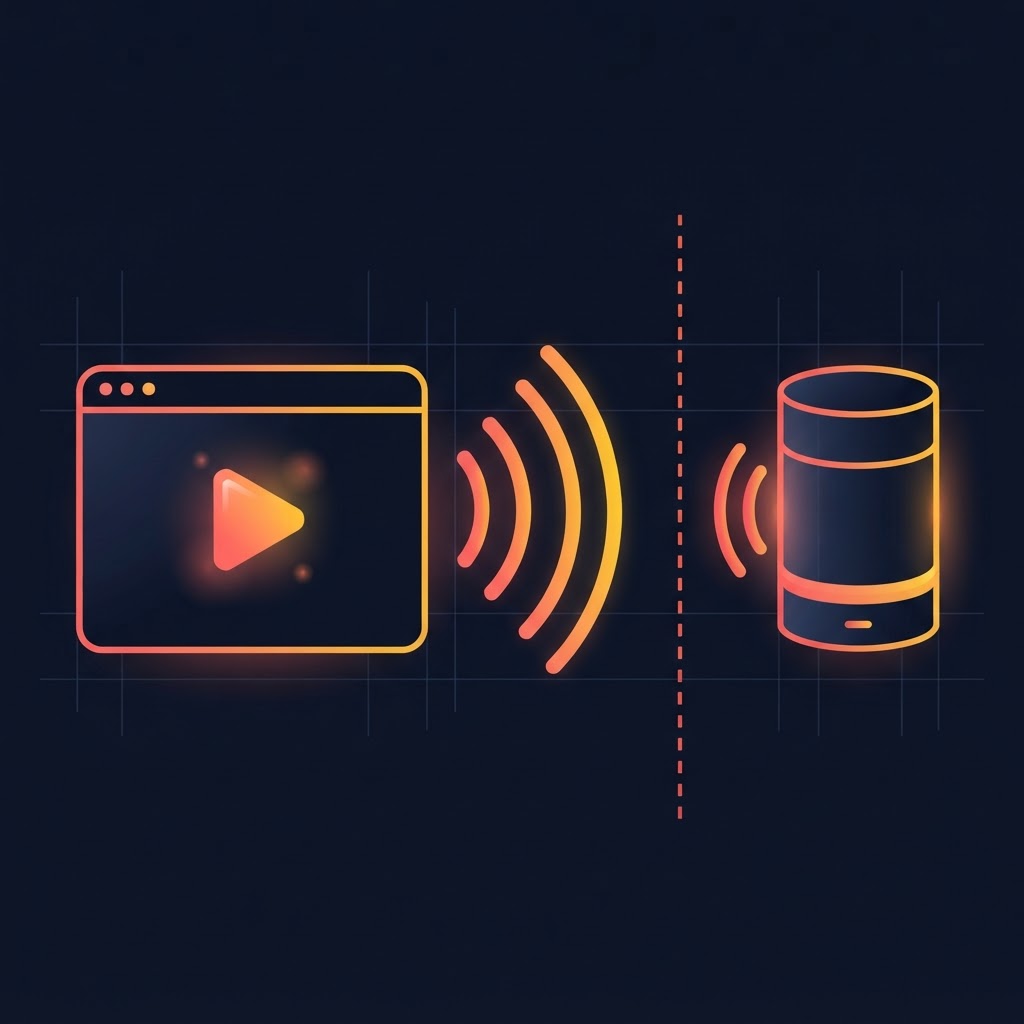
Build, serve and probe
It can install, build and serve the ported app locally, then run real cross-origin probes against the live backend to prove data calls and auth both work from the new origin.
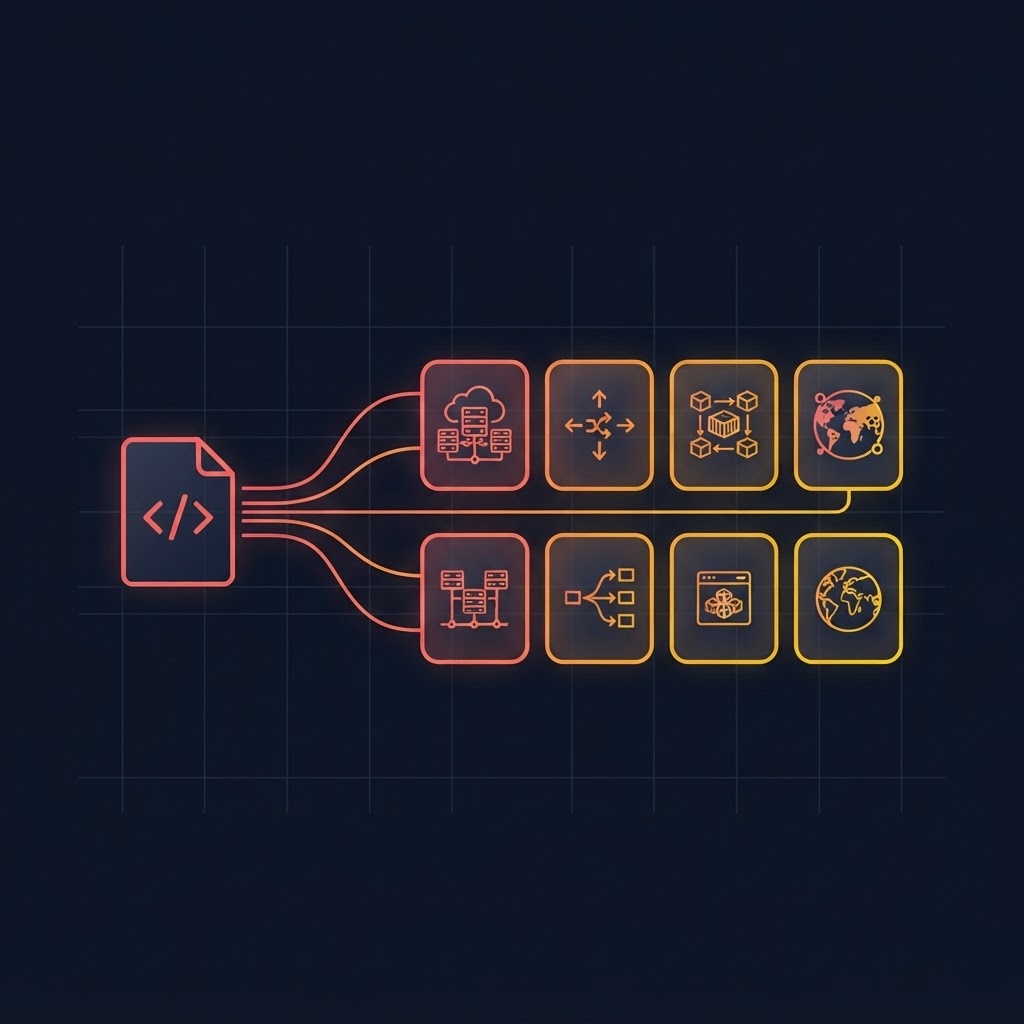
Host config on the way out
Generates deployment config for Vercel, Netlify, Cloudflare Pages or a plain static server, so the ported frontend goes straight into your existing pipeline.

Updates via real git
The export is a git repository with identical commit hashes between downloads (same HEAD SHA, same 7 commits, twice). Pulling new Base44 changes is a genuine fetch + merge — your local edits survive and conflicts only appear where both sides touched the same lines.
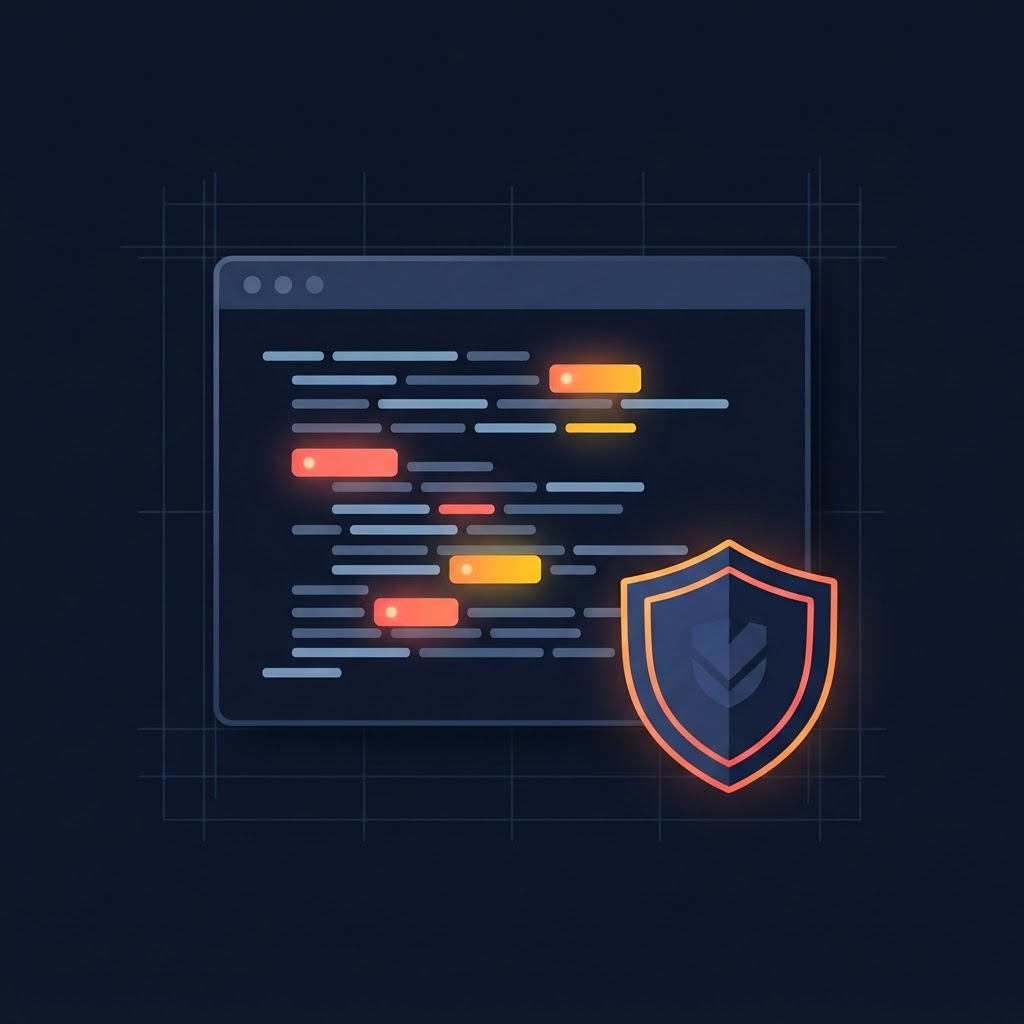
A security pass on your app
The analyzer flags service-role calls in browser code, payments integrations, connector callbacks, and editor tooling left enabled in vite.config.js. On a real app it found a service-role entity update inside a React page.
Download it free
Join the newsletter and the download link appears instantly. You'll also get new Base44 tools, findings and guides as I ship them. No spam, unsubscribe anytime.
What I had to measure
The developer docs describe a different CLI than the one that ships, so most of this was measured rather than read. It's all written up in docs/CLI_FINDINGS.md with repro steps and observed values.

Cross-origin access works
Measured from a real browser origin: simple GET, preflighted GET with an Authorization header, and preflighted JSON POST all succeed. Only cookie-bearing requests are rejected — expected with a wildcard allow-origin, and harmless since the SDK keeps its JWT in localStorage.
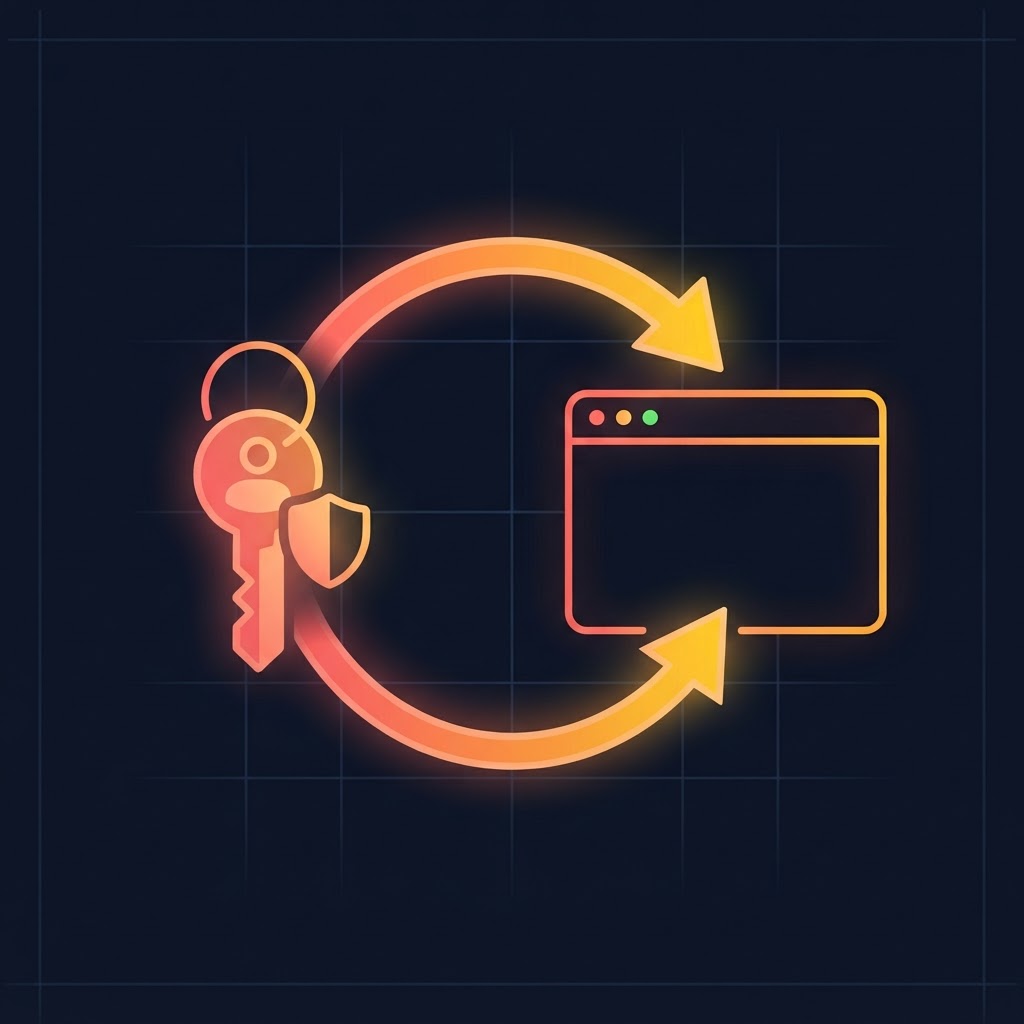
Social login returns to a foreign origin
The login endpoint carries from_url through the OAuth state, so a ported app on an arbitrary localhost port is redirected back correctly after Google sign-in.

serverUrl ≠ appBaseUrl
serverUrl defaults to https://base44.app; appBaseUrl has no default and normalizes to "", making the login URL relative. That's the nastiest failure mode in the whole port.

Export shape varies
One app routes its ID through app-params; another hardcodes serverUrl: ''. Some set logLevel: 'error', which suppresses the dev server address banner — so the tool picks its own port and polls it instead of scraping logs.
No app-list command
CLI v0.1.5 has no apps list, but link fills its picker from GET /api/apps. The tool uses the same endpoint, filtered by workspace_id — organization_id is silently ignored.
Verified, not assumed
Three offline suites cover CLI launching, login-output parsing, and the full analyze → rewrite → emit → apply → rollback pipeline. A read-only live check validates discovery against a real account: 265 apps across 35 of 48 workspaces.
Safety and engineering notes
- Nothing is written without your approval — every edit is a reviewable diff with a reason.
- Tokens never leave the main process. The renderer runs with context isolation, no Node integration and a strict CSP.
- No shell, anywhere. Every child process is spawned with an argument array, never a shell string.
- Keyboard-operable tables, live regions for async progress, focus management, and a palette measured against WCAG AA.
Honest limitations
- Only apps whose source Base44 holds can be downloaded — CLI-created and GitHub-synced apps have nothing to fetch. The tool detects these up front and hands you the env line to point your existing code at that backend instead.
- GET /api/apps/{id}/eject and GET /api/apps are internal, undocumented endpoints. They could change. Discovery degrades through a provider chain down to manual app-ID entry, so you lose convenience rather than access.
- Local preview needs Node; updates need Git. Everything up to producing a ported project works without either.
- Base44's site hosting is the one capability that doesn't survive the move — which is the entire point.