
The Base44 Master Class
Vibe Coding Mastery Academy — from prompt engineering to building, marketing, and selling software.
Learn how to plan, build, test, secure, launch, market, and sell real web, mobile, and desktop applications using Base44, Claude, and modern AI development workflows. You won't just generate apps — you'll learn to think like a developer and manage AI like an engineering team.
20
Weeks in the core program
5
Sessions per week
170
Daily sessions across the full academy
20+
Exercises, 8 portfolio builds, 3 capstones

Reserve your seat
$99per seat
Monday, August 10, 2026 · 10:00 AM CST
Only 100 seats available
- Live seat in the 20-week core program
- Five guided sessions every week — Learn, Inspect, Build, Test, Submit
- 20+ exercises, 8 portfolio builds, and 3 major capstones
- Project reviews and capstone assessment
- KodeBase certification path as you complete each phase
- Every prompt, template, and checklist used in class
Marketing and Agency add-on courses are sold separately and released after the core program. Certificates are issued by KodeBase — not by Base44 or Anthropic.
Every week follows the same predictable rhythm
Most daily lessons take 30–60 minutes. Build sessions may need an extra hour or two. You can also complete a full week as a single self-paced module.
Monday
Learn
Introduce the concepts and terminology
Tuesday
Inspect
Review examples, applications, prompts, or code
Wednesday
Build
Complete a guided implementation
Thursday
Test
Debug, validate, secure, or improve the work
Friday
Submit
Complete an assessment, challenge, or project milestone
The 20-week core curriculum
Four phases take you from beginner prompt engineering to production-level AI-assisted software development across web, mobile, and desktop.
Phase One — Prompt Engineering & Application Planning
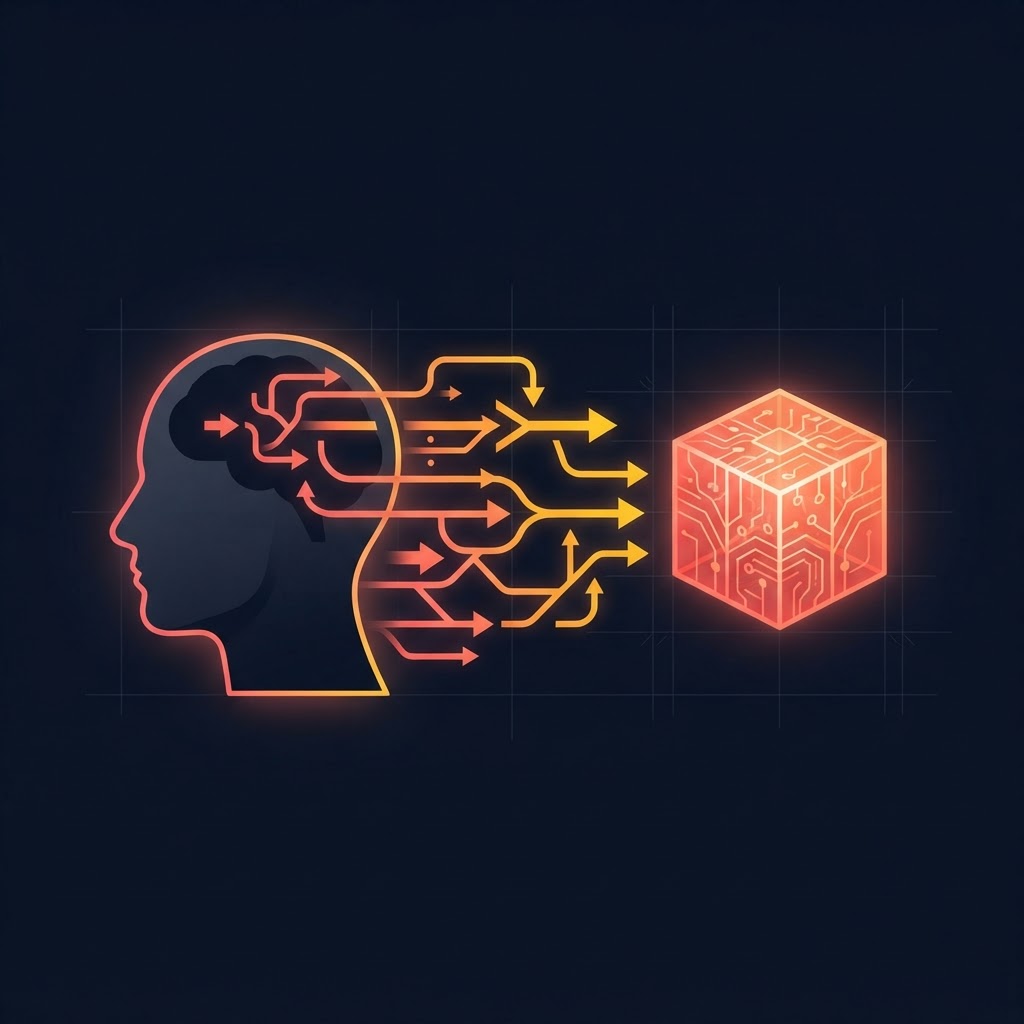
Understanding Vibe Coding
- MonWhat vibe coding is and how it differs from traditional development
- TueCompare weak AI-generated applications with properly engineered applications
- WedSelect the correct AI tool for several development scenarios
- ThuIdentify the risks of blindly accepting AI output
- FriCreate a personal AI development workflow
Students understand their role as the application architect and decision-maker.
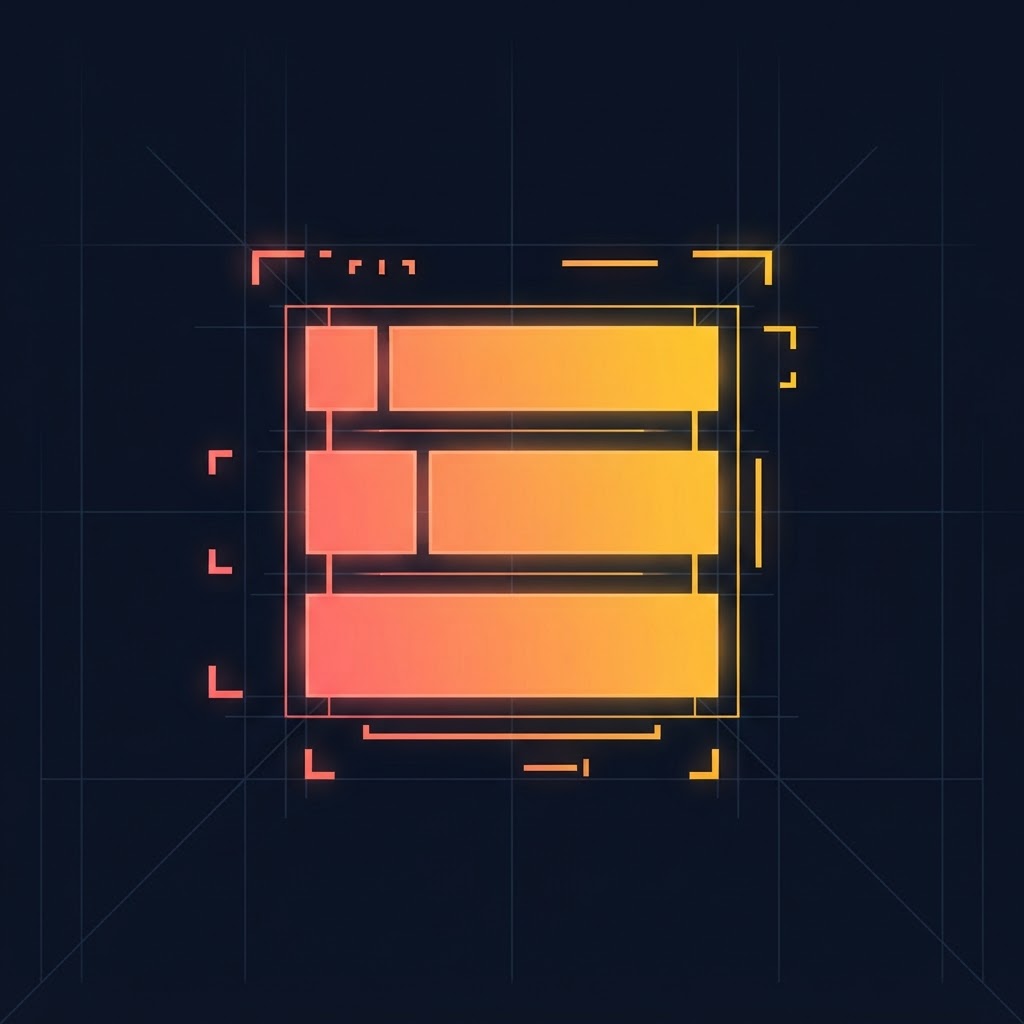
Prompt Engineering Fundamentals
- MonContext, objectives, requirements, and constraints
- TueReview effective and ineffective development prompts
- WedRewrite vague prompts using a structured framework
- ThuTest prompts and identify AI assumptions
- FriBuild a reusable feature-prompt template
Students can write structured prompts that produce predictable results.

Advanced Prompting and Debugging
- MonBreaking large features into controlled prompts
- TuePrompting AI to inspect before making changes
- WedWriting debugging prompts using symptoms, logs, and reproduction steps
- ThuPreventing unnecessary rewrites and destructive changes
- FriRepair a deliberately broken feature using a prompt sequence
Students can manage complex AI tasks without losing control of the project.
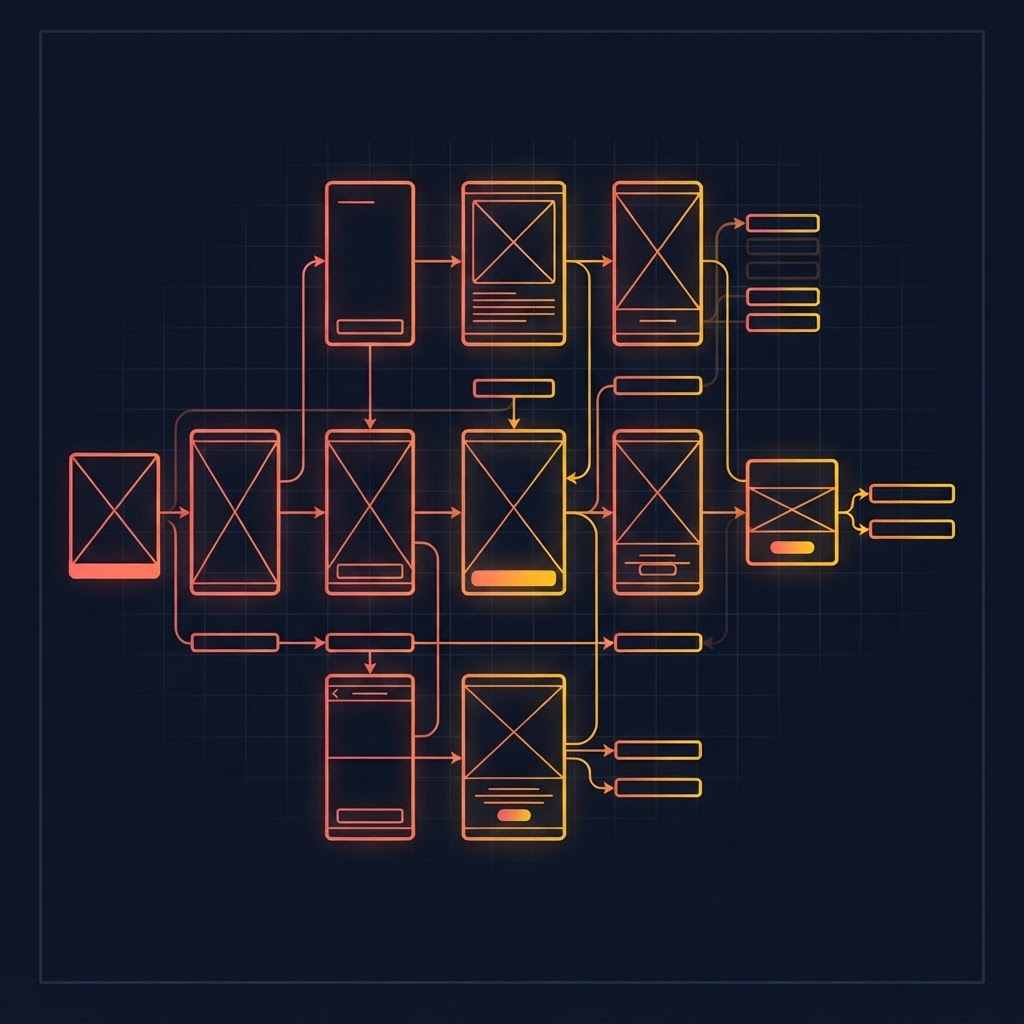
Application Planning
- MonDefining the problem, audience, and desired outcome
- TueMapping user roles and user journeys
- WedCreating a page map, feature list, and data model
- ThuDefining permissions, workflows, and acceptance criteria
- FriComplete a product requirements document
Students produce a complete plan for an application before building it.
Phase Two — Base44 Application Development

Base44 Foundations
- MonBase44 workspace, pages, entities, integrations, and functions
- TueInspect an existing Base44 application
- WedGenerate an application from a structured build prompt
- ThuCorrect layout, logic, and navigation problems
- FriComplete a basic project-management application
Students can create and control a structured Base44 application.

Base44 UI and User Experience
- MonApplication shells, navigation, dashboards, and layouts
- TueReview strong and weak AI-generated interfaces
- WedBuild forms, tables, cards, modals, and detail pages
- ThuAdd loading, empty, error, and confirmation states
- FriComplete a responsive UI improvement challenge
Students can create professional, consistent application interfaces.
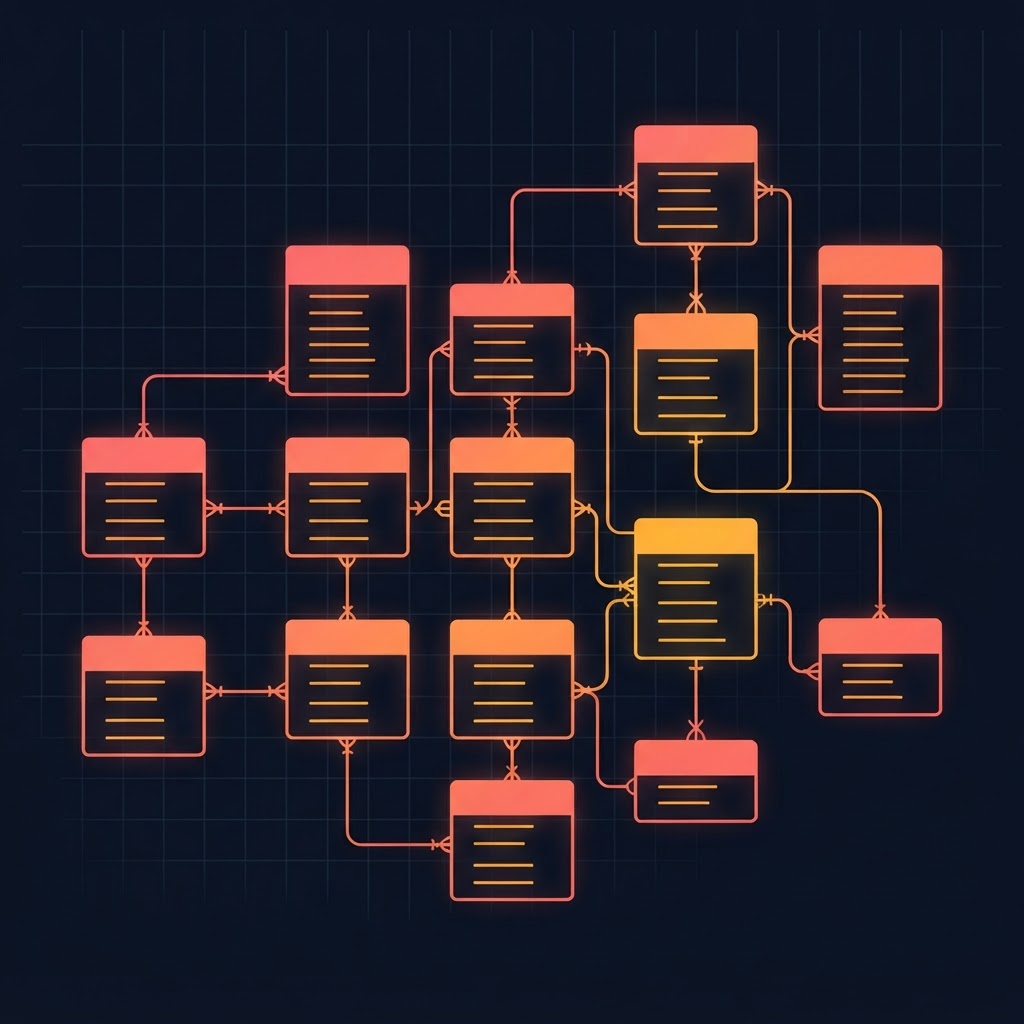
Data Modeling and Application Logic
- MonEntities, fields, records, and relationships
- TueInspect common data-modeling mistakes
- WedBuild one-to-many and many-to-many relationships
- ThuAdd statuses, calculated values, history, and archiving
- FriBuild the data structure for a CRM
Students can design reliable application data structures.

Authentication and Security
- MonAuthentication versus authorization
- TueRoles, permissions, ownership, and administrative access
- WedCreate member, manager, and administrator roles
- ThuTest unauthorized access and privileged actions
- FriComplete a security and permissions audit
Students can protect application data and functionality.

APIs and Integrations
- MonAPIs, requests, responses, JSON, and authentication
- TueReview common API documentation
- WedConnect an external service to Base44
- ThuHandle errors, retries, and invalid responses
- FriComplete an integration-based application feature
Students can connect Base44 applications to external platforms.
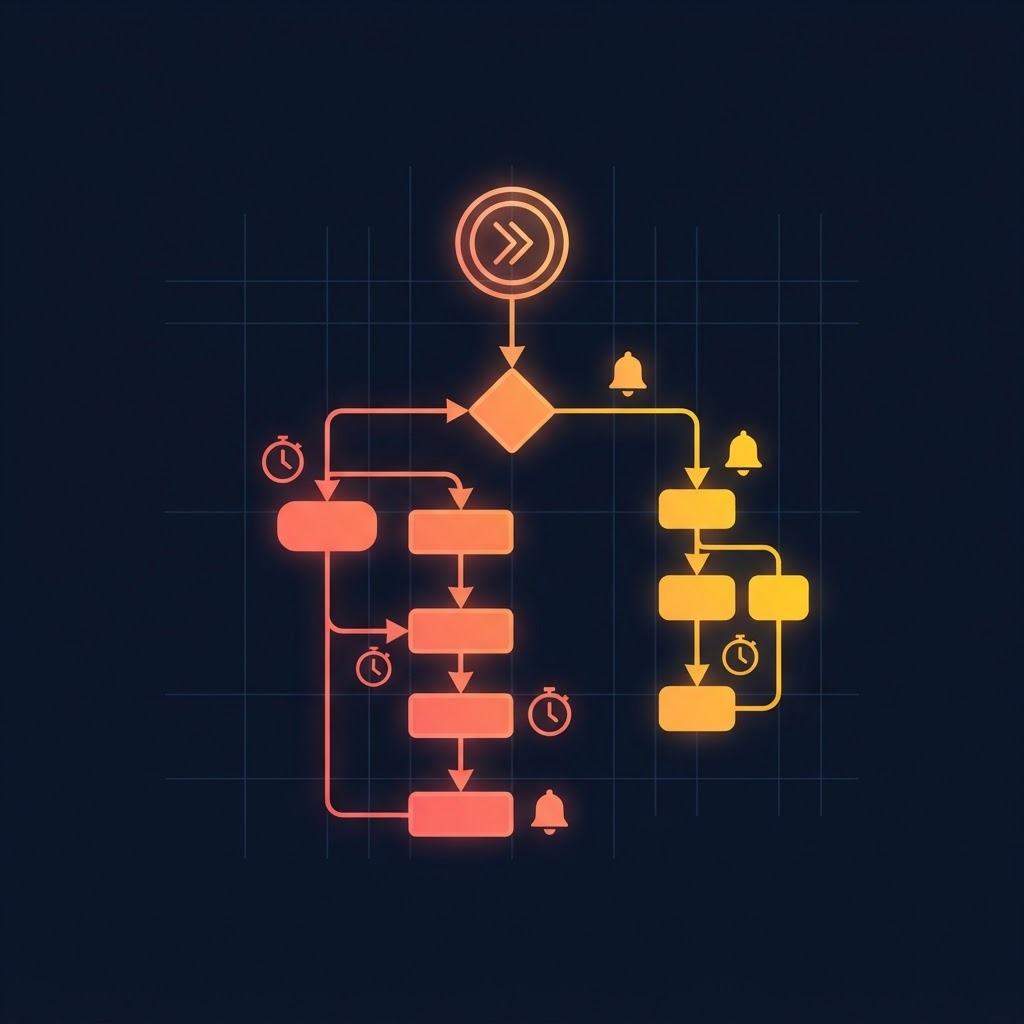
Workflows and Automations
- MonEvent-driven and scheduled workflows
- TueMap an automation from trigger to completion
- WedBuild notifications, status updates, and automated actions
- ThuAdd failure handling and workflow logs
- FriBuild an automated client-onboarding system
Students can create reliable multi-step application workflows.

Mobile Applications with Base44
- MonResponsive web apps, PWAs, wrappers, and native applications
- TueReview mobile navigation and usability patterns
- WedConvert an existing interface into a mobile-first experience
- ThuTest forms, keyboards, touch targets, and device sizes
- FriPrepare a Base44 application for mobile distribution
Students can create app-store-ready mobile experiences while understanding platform limitations.
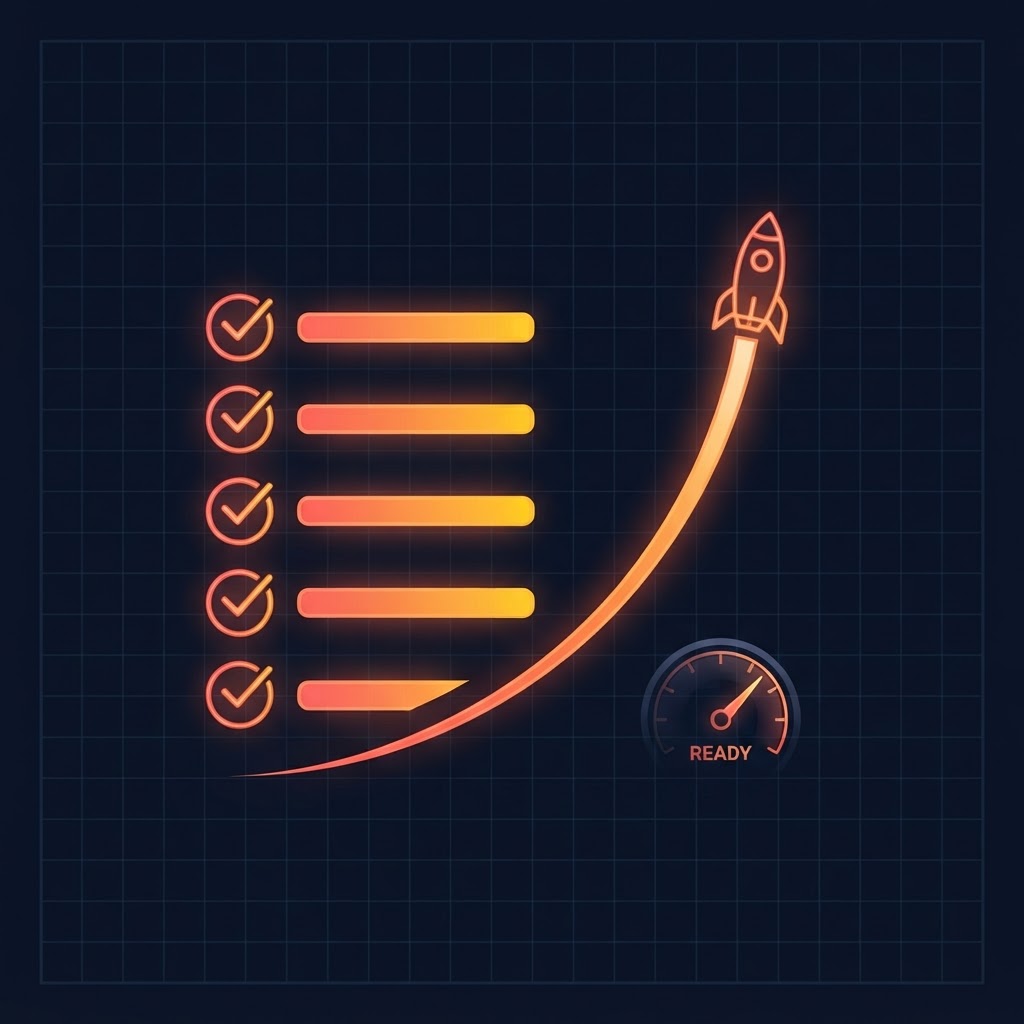
Base44 Production Readiness
- MonFunctionality and route testing
- TueSecurity and permissions testing
- WedPerformance, accessibility, and mobile testing
- ThuAnalytics, domains, privacy policies, and deployment
- FriSubmit the Base44 production capstone
Capstone: build and launch a secure, responsive, multi-user Base44 application.
Phase Three — Claude & Standalone Development
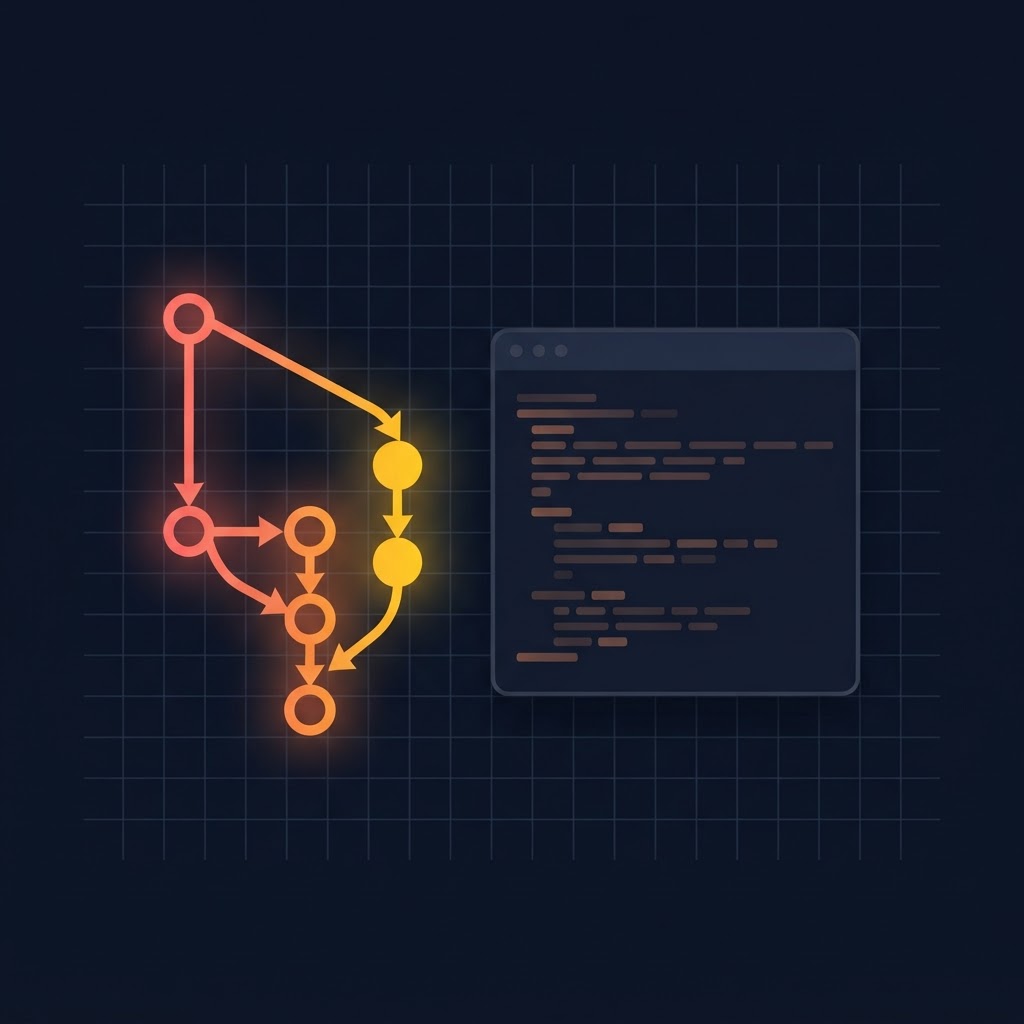
Developer Environment and Git
- MonFiles, folders, codebases, and terminals
- TueNode.js, package managers, and local development servers
- WedGit commits, branches, repositories, and GitHub
- ThuEnvironment variables and project configuration
- FriClone, run, modify, and publish an application
Students can work safely inside a real codebase.
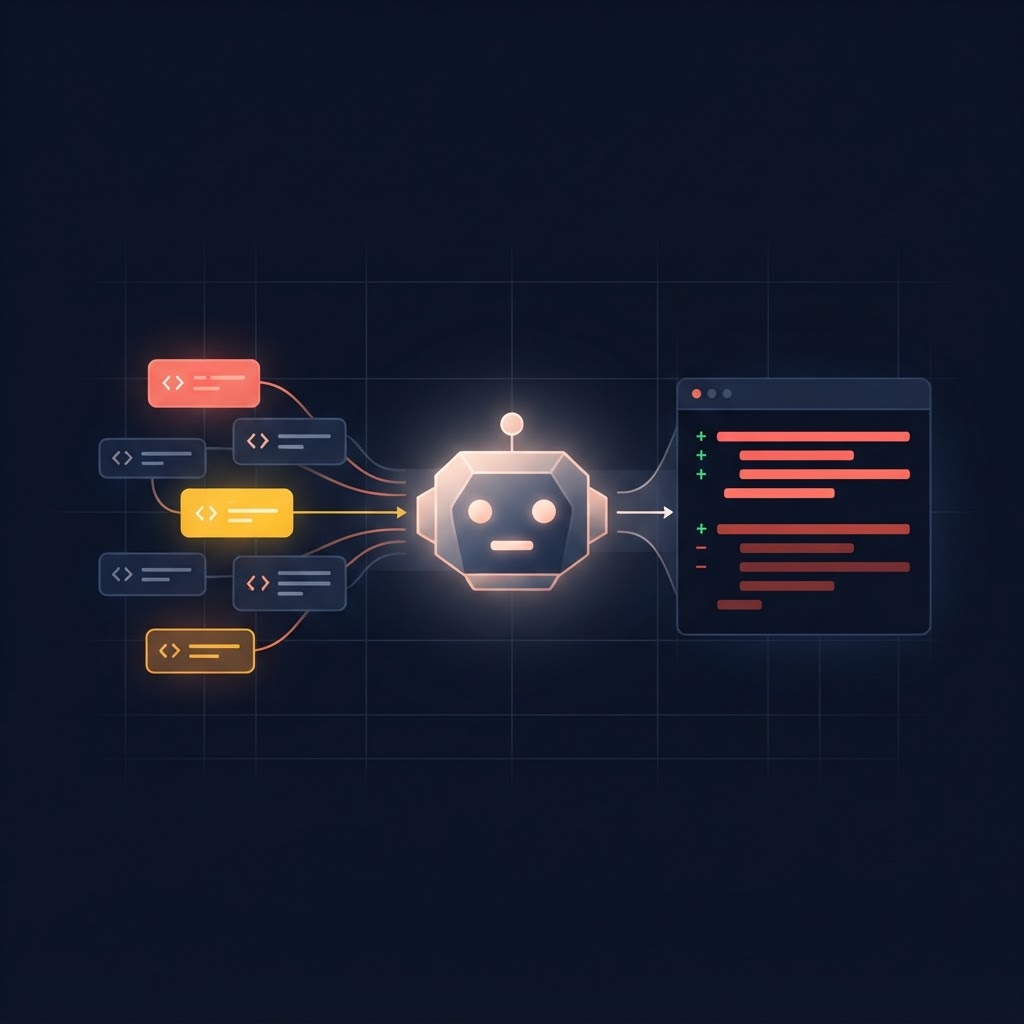
Managing Claude as a Development Agent
- MonClaude, Claude Code, project instructions, and context
- TuePlanning mode, implementation mode, and file inspection
- WedAssign a controlled feature implementation
- ThuReview diffs, test changes, and revert failed work
- FriComplete an AI-agent management challenge
Students can direct Claude like a junior development team member.
Web Applications with Claude
- MonReact, TypeScript, components, and routing
- TueApplication state, forms, and reusable UI
- WedBuild authentication and protected routes
- ThuConnect APIs and database operations
- FriDeploy a standalone React application
Students can create and deploy a modern web application.

Base44 Backend as a Service
- MonBackend-as-a-service architecture
- TueBase44 CLI, SDK, entities, and generated types
- WedConnect a custom React frontend to Base44
- ThuAdd authentication, backend functions, and secrets
- FriDeploy a custom frontend with a Base44 backend
Students can use Base44 as infrastructure without relying on its generated frontend.

Native Mobile Applications with Claude
- MonReact Native, Expo, and native application architecture
- TueScreens, navigation, and native components
- WedAdd authentication, APIs, and remote data
- ThuAdd device permissions, camera access, and secure storage
- FriCreate Android and iOS test builds
Students can build true native mobile applications.
Desktop Applications with Claude
- MonElectron architecture and desktop application structure
- TueWindows, menus, local storage, and filesystem access
- WedBuild secure communication between application processes
- ThuAdd authentication, APIs, updates, and error reporting
- FriPackage a desktop application for distribution
Students can create installable desktop software.
Phase Four — Production Engineering

Architecture, Testing, and Security
- MonMaintainable application architecture
- TueUnit, integration, and end-to-end testing
- WedSecurity reviews, validation, and secret management
- ThuPerformance, accessibility, and dependency reviews
- FriAudit and repair a deliberately vulnerable application
Students can identify and correct production risks.

Professional Development and Final Capstone
- MonProject scoping and technical discovery
- TueArchitecture and implementation planning
- WedBuild and document the capstone application
- ThuComplete testing, security, and production-readiness reviews
- FriPresent and defend the completed application
Final capstone: PRD, permissions matrix, page map, data model, architecture plan, working app, test plan, security review, deployment and user docs, plus a demo presentation.
Continue into marketing and agency ownership
Take only the development track, or keep going. Add-on courses are released after the core program and sold separately.
Marketing Your Products and Services
6 weeks · 5 sessions per week · 4–7 hrs/week
Turn an application or service into an offer people understand, trust, and purchase — for software products and for development, audit, migration, and consulting services.
- Market research and positioning — target-customer profile and positioning document
- Creating an offer — packages, pricing, tiers, guarantees, objection handling
- Brand messaging and sales copy — one-line pitch through to service-page copy
- Landing pages and conversion — structure, proof, pricing, tracking, usability
- Content, social media, and email — 30-day calendar, lead magnet, sequences
- Launching and growing — campaigns, partnerships, paid ads, analytics, go-to-market plan
Vibe Coding Agency
8 weeks · 5 sessions per week · 5–8 hrs/week
Establish and operate an agency selling AI-assisted application development, audits, migrations, consulting, and support — with AI increasing capacity, never removing responsibility for quality and results.
- Agency foundation — structure, registration, banking, insurance, tools, launch checklist
- Niche, services, and pricing — productized audits, migrations, builds, retainers
- Authority and portfolio building — demo apps, case studies, agency site
- Finding qualified leads — communities, outreach, partnerships, weekly lead system
- Sales and discovery calls — qualification, scripts, objections, recorded mock call
- Proposals, contracts, and closing — scopes, estimates, terms, agreements
- Project delivery and client management — onboarding, milestones, QA, handoff
- Retainers, systems, and scaling — SOPs, contractors, capacity, 90-day growth plan
Earn KodeBase certificates as you go
Each phase you finish is a credential you can show clients and employers. These are professional certificates issued by KodeBase — not by Base44 or Anthropic.
KodeBase Certified Prompt Engineer
Requires Weeks 1–4
KodeBase Certified Base44 Builder
Requires Weeks 5–12 + Base44 capstone
KodeBase Certified AI Application Developer
Requires Weeks 13–20 + final technical capstone
KodeBase Certified Product Marketing Specialist
Requires Marketing course + launch plan
KodeBase Certified Vibe Coding Agency Operator
Requires Agency course + agency capstone
KodeBase Certified Vibe Coding Entrepreneur
Requires Technical + marketing + agency programs
Taught by Will Kode
A full-stack developer since 1997. This program teaches the development experience, judgment, systems, and business practices behind successful vibe coding — not merely a collection of prompts. You'll learn to think like a developer, manage AI like an engineering team, build reliable products, attract customers, and create a sustainable software or agency business.
KodeBase is an independent service and is not affiliated with, endorsed by, or sponsored by Base44 or Anthropic.
Reserve your seat
$99per seat
Monday, August 10, 2026 · 10:00 AM CST
Only 100 seats available
- Live seat in the 20-week core program
- Five guided sessions every week — Learn, Inspect, Build, Test, Submit
- 20+ exercises, 8 portfolio builds, and 3 major capstones
- Project reviews and capstone assessment
- KodeBase certification path as you complete each phase
- Every prompt, template, and checklist used in class
Marketing and Agency add-on courses are sold separately and released after the core program. Certificates are issued by KodeBase — not by Base44 or Anthropic.